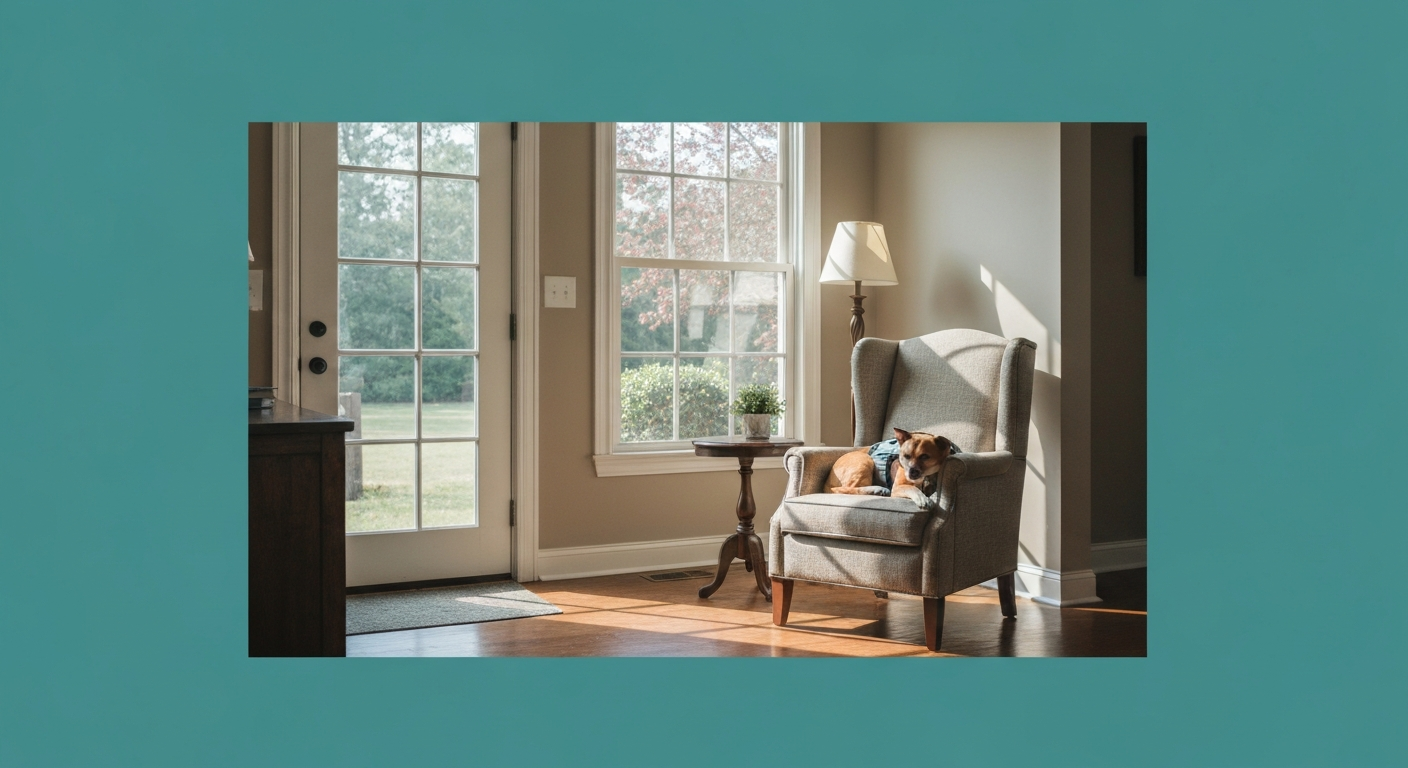
Best Emotional Support Animals for Georgia Apartments — A Clinician-Vetted Lineup
Finding the right emotional support animal for your Georgia apartment is not simply a matter of picking the pet you love most — though that affection matters enormously to the therapeutic relationship. It is also a question of practical compatibility: square footage, noise ordinances, lease restrictions, and, critically, whether a licensed mental health professional determines that a particular animal meaningfully supports your mental health needs. Under the Fair Housing Act, as clarified by HUD's landmark guidance document FHEO-2020-01 (Assessing a Person's Request to Have an Animal as a Reasonable Accommodation Under the Fair Housing Act), housing providers must consider reasonable accommodation requests for emotional support animals regardless of a building's standard no-pet policy — provided the request is supported by a valid ESA letter from a licensed mental health professional (LMHP) licensed in the state of Georgia.
This clinician-vetted lineup was assembled with Georgia apartment living squarely in mind. We considered temperament, space requirements, noise profiles, care complexity, and the growing body of clinical literature linking each animal type to measurable reductions in anxiety, loneliness, and emotional dysregulation. Whether you rent a studio in Midtown Atlanta, a one-bedroom in Savannah's historic district, or a garden-style unit in suburban Alpharetta, the animals below represent thoughtful, evidence-informed choices that many Georgians have found genuinely therapeutic.
Important Disclaimer: This article is informational only and does not constitute medical, mental-health, or legal advice. Only a Georgia-licensed mental health professional can determine whether an ESA is therapeutically appropriate for your specific situation. For housing disputes with a landlord, consult a Georgia-licensed attorney or contact your local legal aid office for FHA enforcement guidance.
How Georgia's FHA Protections Work for ESA Owners
Before diving into the lineup, a brief orientation on the legal framework is worthwhile. The Fair Housing Act, enforced federally by HUD and in Georgia by the Georgia Commission on Equal Opportunity (GCEO), prohibits housing providers from refusing a reasonable accommodation request for an emotional support animal when the resident has a documented disability-related need. That documentation must come in the form of an ESA letter issued by a licensed mental health professional — not an online registry certificate, not an ID card, and not a badge purchased from a website. HUD has explicitly confirmed that online ESA registries carry no legal weight whatsoever.
Your Georgia ESA letter must be authored by an LMHP licensed in Georgia — typically a licensed clinical social worker (LCSW), licensed professional counselor (LPC), licensed marriage and family therapist (LMFT), psychologist, or psychiatrist — who has conducted a genuine clinical assessment of your mental health needs. The letter should be written on the clinician's professional letterhead, include their license number, and describe the nexus between your condition and the therapeutic role the animal serves. For a deeper look at how Georgia's housing protections interact with your letter, visit our guide on Georgia ESA housing letters and FHA compliance.
The Clinician-Vetted Lineup: 8 Best ESAs for Georgia Apartments
1. Dogs — The Gold Standard for Emotional Attunement
It would be clinically disingenuous to open any ESA lineup without acknowledging what decades of human-animal interaction research consistently confirms: dogs offer an unmatched capacity for emotional co-regulation. Their ability to read subtle shifts in human affect, respond to distress with physical proximity, and maintain consistent daily routines makes them particularly effective for individuals managing anxiety disorders, PTSD, depression, and loneliness — conditions that a licensed clinician may determine warrant an ESA as part of a broader therapeutic plan. In Georgia's warm climate, dogs also encourage outdoor activity, which carries its own well-documented mental health dividend.
For apartment living specifically, breed and individual temperament matter far more than size alone. Compact, low-energy breeds such as the Cavalier King Charles Spaniel, French Bulldog, or Shih Tzu tend to adapt beautifully to smaller square footage, while moderate-energy dogs like the Greyhound — surprisingly — are famously content with indoor lounging. What matters most to Georgia landlords and neighbors alike is noise and behavior; a well-socialized, calm dog of any size is more apartment-friendly than an anxious small breed that barks continuously. Note that while the FHA obligates housing providers to consider reasonable accommodations, they may still deny a request if the specific animal poses a direct threat to others or causes substantial property damage — individual behavior, not breed, is the operative legal standard under FHEO-2020-01.
Training also meaningfully improves both the therapeutic value of the relationship and your standing with your housing provider. A dog that reliably responds to basic commands, walks calmly on leash, and settles quietly is a far stronger candidate for apartment life. Explore breed-specific guidance in our resource on ESA dogs in Georgia and the best breeds for apartments, and review practical behavior foundations in our article on ESA training basics in Georgia.
Practical Takeaway: Dogs may qualify as excellent ESAs for Georgia apartment residents when the individual animal is well-socialized, low-noise, and matched to available space. A Georgia-licensed clinician can assess whether a dog ESA is therapeutically appropriate for your needs.
2. Cats — Quiet, Independent Companions with Measurable Therapeutic Impact
Cats are, in many respects, the quintessential apartment ESA. Their relatively compact space requirements, quiet vocalization (with certain breed exceptions), self-sufficient grooming habits, and lower exercise demands make them logistically well-suited to high-density Georgia rental housing. Clinically, the research on cats and mental health is substantive: studies have associated cat ownership with reduced cortisol levels, lower blood pressure during stressful tasks, and meaningful reductions in reported loneliness — outcomes particularly relevant for individuals living alone in urban apartments in cities like Atlanta, Augusta, or Columbus.
The act of petting a cat has been shown to trigger the release of oxytocin in both human and animal, while the cat's characteristic purring — vibrating at frequencies between 25 and 150 Hz — has been linked in preliminary research to stress reduction and even bone-density benefits. For individuals whose mental health challenges involve hyperarousal, panic, or sensory sensitivity, a calm, affectionate cat can offer grounding physical contact without the demands that a more energetic animal might impose. Breeds like the Ragdoll, Scottish Fold, and British Shorthair are especially noted for their placid temperaments in confined indoor environments.
One important nuance for Georgia renters: even though many apartments market themselves as "cat-friendly," an ESA cat is legally distinct from a pet cat. A housing provider that permits cats as pets may still impose breed restrictions, weight limits, or pet fees — none of which legally apply to a properly documented ESA under the FHA. Your valid Georgia ESA letter removes those pet-policy barriers for your qualifying animal. Learn more about living with a feline companion in our detailed guide on ESA cats in Georgia as quiet companions.
Practical Takeaway: Cats frequently make excellent apartment-based ESAs for Georgia residents — low-noise, space-efficient, and clinically linked to stress and anxiety reduction. A licensed Georgia clinician can assess whether a feline ESA fits your therapeutic needs.
3. Rabbits — Gentle Companions for Smaller Spaces
Rabbits occupy a fascinating clinical niche in the ESA world: they are among the quietest mammalian companions available, they do not require outdoor exercise in the way dogs do, and their soft fur and gentle handling rituals can provide meaningful sensory grounding for individuals managing anxiety, depression, or PTSD. In Georgia apartment settings — where square footage may be limited and thin walls make noise a daily social reality — a well-kept rabbit is an ESA choice that tends to be both neighbor-friendly and surprisingly enriching.
The interactive quality of rabbit ownership is often underestimated. Domestic rabbits, particularly when socialized young, can be remarkably affectionate, recognizing their owners, responding to names, and actively seeking physical contact. The routine of caring for a rabbit — scheduled feeding, enclosure cleaning, and daily free-roam time — imposes a gentle but consistent structure that many clinicians find therapeutically valuable for individuals whose mental health challenges include disrupted daily rhythms or executive function difficulties. Breeds such as the Holland Lop, Mini Rex, and Lionhead are particularly suited to indoor apartment environments owing to their compact size and calm disposition.
From a housing-rights perspective, rabbits are a well-established ESA species recognized under FHA reasonable accommodation principles. Housing providers may not summarily deny a rabbit ESA request simply because their lease prohibits small animals, provided you have a valid Georgia ESA letter documenting your disability-related need. As always, the clinician's letter must establish the nexus between the animal and your mental health — not simply state that you own a rabbit. For a comprehensive look at this species in the Georgia context, visit our guide on rabbits as emotional support animals in Georgia.
Practical Takeaway: Rabbits may qualify as excellent apartment-friendly ESAs for Georgia residents seeking a quiet, low-maintenance mammalian companion. Their suitability as your ESA depends on a clinical assessment by a Georgia-licensed mental health professional.
4. Guinea Pigs — Small Footprint, Significant Comfort
Guinea pigs have emerged as a clinically recognized ESA option, and for good reason: they are highly social, responsive to human interaction, and gentle enough to be handled by individuals of all ages and physical abilities. Their characteristic vocalizations — soft purring, chirping, and the endearing "wheek" — tend to be charming rather than disruptive, a meaningful consideration in Georgia apartment communities where noise complaints can complicate a resident's tenancy. A pair of guinea pigs housed in a well-maintained enclosure occupies minimal floor space while delivering a surprisingly rich interactive experience.
Clinically, the act of handling a small warm animal like a guinea pig has been associated with parasympathetic nervous system activation — essentially, the body's built-in calm response. For individuals who experience anxiety, social withdrawal, or emotional numbness as part of their mental health picture, the consistent daily engagement of feeding, grooming, and interacting with guinea pigs can serve as a low-threshold, high-reward therapeutic activity. Animal-assisted therapy programs at hospitals and care facilities across Georgia have long used guinea pigs precisely because of their accessibility and calming profile.
A practical note on housing: guinea pigs are sometimes caught in ambiguous lease language that prohibits "caged animals" or "rodents." Under the FHA framework and HUD's FHEO-2020-01 guidance, a housing provider's blanket no-pets or no-rodent policy does not override a reasonable accommodation request for a documented ESA. If your Georgia-licensed clinician has determined that a guinea pig ESA is therapeutically appropriate for you, and you have a properly issued ESA letter, your housing provider is obligated to engage in an interactive process to consider your request.
Practical Takeaway: Guinea pigs can make excellent small-footprint ESAs for Georgia apartment dwellers. Their therapeutic value depends on individual clinical need — consult a Georgia-licensed mental health professional to determine whether this companion may qualify for your situation.
5. Birds — Routine, Rhythm, and Vocal Connection
Birds represent one of the more nuanced ESA choices for Georgia apartment living, but for the right individual, they can be profoundly therapeutic. The daily rhythms that bird care imposes — morning uncovering, feeding schedules, interaction time, and evening routines — provide predictable structure that many clinicians recognize as genuinely stabilizing for individuals managing mood disorders, depression, or anxiety. Parakeets (budgerigars) and cockatiels are the most commonly recommended apartment-compatible species owing to their manageable size, moderate noise output, and capacity for human bonding.
The interactive dimension of bird ownership is distinct from other ESA species. Birds that are consistently handled and socialized can learn to mimic speech, respond to their owner's voice, and seek proximity in ways that feel meaningfully relational. For individuals who live alone in Georgia's urban centers and whose mental health challenges involve profound loneliness or social isolation, a responsive, communicative bird can provide a form of daily interactive engagement that is both stimulating and emotionally anchoring. The responsibility of keeping a living creature well also activates a sense of purpose that clinicians frequently cite as therapeutically protective.
Noise is the primary apartment-compatibility variable with birds. Parakeets and cockatiels produce moderate, generally tolerable sound; larger parrots such as African Greys or Macaws may generate noise levels that legitimately affect neighboring tenants — a factor a housing provider could raise when assessing whether the specific accommodation is reasonable under FHEO-2020-01 standards. A Georgia-licensed clinician issuing your ESA letter will consider the practical context of your housing situation alongside your clinical needs.
Practical Takeaway: Apartment-compatible bird species such as parakeets and cockatiels may qualify as ESAs for Georgia residents when clinically appropriate. Noise level relative to your specific housing environment is an important practical consideration worth discussing with your clinician.
6. Fish — The Underrated Anxiety Antidote
Fish may surprise some readers on an ESA lineup, but the clinical literature on aquarium-watching and its anxiolytic effects is more robust than many people realize. Research published in peer-reviewed journals, including studies conducted in partnership with institutions such as the National Marine Aquarium, has documented significant reductions in heart rate, blood pressure, and self-reported anxiety among individuals who spend time watching aquatic environments. For Georgia apartment residents managing anxiety disorders, ADHD, or stress-related conditions, a well-maintained aquarium can function as a living, dynamic focal point for mindfulness and emotional decompression.
From a purely practical standpoint, fish are among the most apartment-compatible ESA species imaginable. They produce no noise, require no outdoor space, and — beyond the initial aquarium setup investment — impose relatively low ongoing care demands. A 10- to 20-gallon freshwater tank housing a community of tropical fish is a realistic, manageable setup for most Georgia apartments. The meditative quality of the daily care routine — water testing, feeding, and observing fish behavior — can itself serve as a grounding ritual for individuals whose mental health challenges benefit from structured, predictable micro-activities.
It is worth noting that ESA letters for fish are issued less commonly than for mammalian species, and a Georgia-licensed clinician will assess whether the specific therapeutic mechanism applies to your individual situation. The nexus between your documented mental health condition and the calming function of the fish — not simply your preference for aquatic animals — must be clearly articulable. If your clinician determines that an aquatic ESA is appropriate, your housing provider cannot impose a blanket prohibition on aquariums as a pretext for denying your reasonable accommodation request, though they may legitimately raise concerns about large tanks and potential water damage, which is a reasonable structural concern subject to negotiation.
Practical Takeaway: Fish may qualify as ESAs for Georgia apartment residents, particularly those whose anxiety or stress responses are meaningfully reduced by aquatic environments. A Georgia-licensed mental health professional can assess whether this is a therapeutically sound choice for your specific needs.
7. Hamsters and Small Rodents — Low-Demand, High-Comfort Options
Hamsters, gerbils, and similar small rodents occupy an ESA niche defined by accessibility: they are relatively inexpensive to house and feed, they require minimal space, they are completely silent from a neighbor's perspective, and their brief daily care routines provide the kind of gentle, consistent engagement that many clinicians find beneficial for individuals managing depression, social anxiety, or trauma-related conditions. For Georgia residents navigating a tight apartment budget — a real consideration in markets like Atlanta, where rental costs have risen substantially — small rodents offer a meaningful therapeutic option without significant financial strain.
Hamsters in particular are well-suited to individuals who maintain nocturnal or late-night schedules, as they are naturally most active during evening hours. The experience of watching a hamster explore, burrow, and interact with its environment can be quietly absorbing in a way that interrupts rumination and redirects anxious attention — a mechanism that aligns with mindfulness-based therapeutic principles. While the individual bond with a hamster is less overtly reciprocal than with a dog or cat, many owners report a meaningful sense of attachment and responsibility that contributes positively to their sense of daily purpose.
As with guinea pigs, small rodents may face resistance from housing providers citing lease language prohibiting "rodents" or "caged animals." The FHA's reasonable accommodation framework, as articulated in FHEO-2020-01, does not exempt housing providers from considering ESA requests based on species prejudice alone — the operative question is always whether the accommodation is reasonable and whether the individual has a documented disability-related need. A properly issued Georgia ESA letter from a licensed clinician is your primary documentation in that conversation.
Practical Takeaway: Small rodents like hamsters may qualify as apartment-compatible ESAs for Georgia residents, particularly those seeking low-demand, low-cost therapeutic companionship. Clinical determination by a Georgia-licensed LMHP is always the essential first step.
8. Miniature or Toy Breed Dogs — All the Canine Therapy, Apartment-Scaled
We return to the canine category not to repeat ourselves but to specifically address a distinct and important segment of Georgia's apartment ESA landscape: miniature and toy breeds whose physical scale makes them particularly well-matched to smaller living environments. Breeds such as the Maltese, Toy Poodle, Pomeranian, Chihuahua, and Miniature Dachshund are widely chosen ESA candidates among Georgia apartment residents, combining the profound emotional attunement that dogs offer as a species with a physical footprint that coexists naturally with limited square footage and restricted common areas.
The clinical case for small-breed dogs as ESAs parallels the broader canine evidence base: consistent companionship, physical contact, structured daily routine, and the social facilitation that walking a dog provides all contribute meaningfully to mental health maintenance. For individuals managing severe anxiety, panic disorder, or depression, a dog that stays physically close — resting in a lap, sleeping at the bedside, orienting toward its owner during moments of distress — can provide real-time co-regulation that no other intervention quite replicates. Many Georgia-licensed clinicians who work with ESA documentation find that small-breed dogs represent one of the most commonly and justifiably recommended ESA configurations for urban apartment residents.
A word of caution: some toy breeds are prone to anxiety-driven vocalization, separation distress, and reactive behavior that can create genuine challenges in close-quarters apartment living. The individual animal's temperament and training history matter as much as breed designation. Before pursuing an ESA letter for a specific dog, it is worth having an honest conversation with your clinician about whether that particular animal's behavioral profile is likely to support — rather than complicate — your therapeutic goals and your relationship with your housing provider. Our resources on the best dog breeds for Georgia apartments and ESA training fundamentals in Georgia offer practical guidance for that assessment.
Practical Takeaway: Toy and miniature dog breeds may make ideal apartment ESAs for Georgia residents when the individual animal is well-tempered, appropriately trained, and matched to your living situation. A Georgia-licensed clinician can assess clinical appropriateness; training resources can help optimize the experience.
What Makes a Georgia ESA Letter Legitimate?
Across all eight species above, one constant applies: the therapeutic value of an ESA is only legally protected when it is supported by a genuine, clinician-issued ESA letter. In Georgia, that means a letter from an LMHP who holds an active Georgia license — an LCSW, LPC, LMFT, psychologist, or psychiatrist — who has conducted a real clinical evaluation of your mental health needs and determined that an ESA is a therapeutically appropriate component of your care. The letter should be on professional letterhead, include the clinician's full name, license type, and Georgia license number, and articulate the nexus between your condition and the animal's role.
What a legitimate Georgia ESA letter is not: it is not a certificate from an online registry, it is not an ID card with a QR code, and it is not a document generated by a non-licensed individual or an out-of-state provider who has never evaluated you. HUD has repeatedly and publicly stated that registry certificates carry no legal weight under the Fair Housing Act. Housing providers are increasingly aware of this distinction, and presenting a registry document instead of a proper clinician letter may actually undermine your accommodation request rather than support it.
It is also important to understand what an ESA letter does not do in 2024: it does not grant air-travel rights. The Department of Transportation's 2021 rule change removed emotional support animals from the protections of the Air Carrier Access Act. Airlines now treat ESAs as regular pets subject to standard pet policies and fees. If you require a psychiatric service animal for travel, that is a separate pathway involving a specifically trained Psychiatric Service Dog (PSD) — a distinct legal category from an ESA.
Getting Started: Your Path to a Valid Georgia ESA Letter
If you believe you may benefit from an emotional support animal in your Georgia apartment, the appropriate first step is to connect with a Georgia-licensed mental health professional for a clinical assessment. That evaluation will consider your mental health history, your current therapeutic needs, and whether an ESA is a clinically sound component of your care plan. Approval is never automatic — a responsible clinician evaluates each person individually — but many Georgia residents who are managing qualifying conditions find that a licensed evaluation confirms what they have already sensed: that the presence of a particular animal genuinely supports their emotional wellbeing.
Once your clinician has issued your Georgia ESA letter, you have a documented basis to submit a reasonable accommodation request to your housing provider, citing the Fair Housing Act and, where relevant, HUD's FHEO-2020-01 guidance. Your housing provider is then obligated to engage in an interactive, good-faith assessment of your request. If your request is denied and you believe the denial is unlawful, consult a Georgia-licensed attorney or contact the Georgia Commission on Equal Opportunity or your local legal aid office for FHA enforcement support.
For a comprehensive overview of how Georgia ESA housing letters work and what your FHA rights entitle you to, we recommend our dedicated guide on Georgia ESA housing letters and FHA protections. And if you are considering a feline companion specifically, our resource on ESA cats in Georgia offers breed-specific and housing-specific guidance tailored to the Peach State's rental landscape.
Final Thoughts
The best ESA for your Georgia apartment is ultimately the animal that a qualified clinician determines is genuinely therapeutic for you — one whose temperament, care requirements, and presence align with both your mental health needs and your living environment. The lineup above is intended as an informed starting point for that conversation, not a substitute for it. Every item on this list carries the same foundational requirement: a real clinical relationship with a Georgia-licensed mental health professional who can evaluate your needs, issue a compliant ESA letter, and support your housing accommodation request on solid legal and clinical ground.
Georgia's apartment renters deserve both compassionate access to ESA support and the protection of knowing their documentation is genuine, clinician-backed, and fully compliant with federal FHA standards. That combination — therapeutic authenticity and legal legitimacy — is the only foundation worth building on.
Reminder: This article is provided for informational purposes only and does not constitute medical, mental-health, or legal advice. Consult a Georgia-licensed mental health professional to determine whether an ESA is appropriate for your individual situation. For housing disputes or FHA enforcement questions, consult a Georgia-licensed attorney or your local legal aid organization.
Ready to start your Georgia ESA letter?
Licensed Georgia clinician review. Compliant with state law.
Get My Georgia ESA Letter